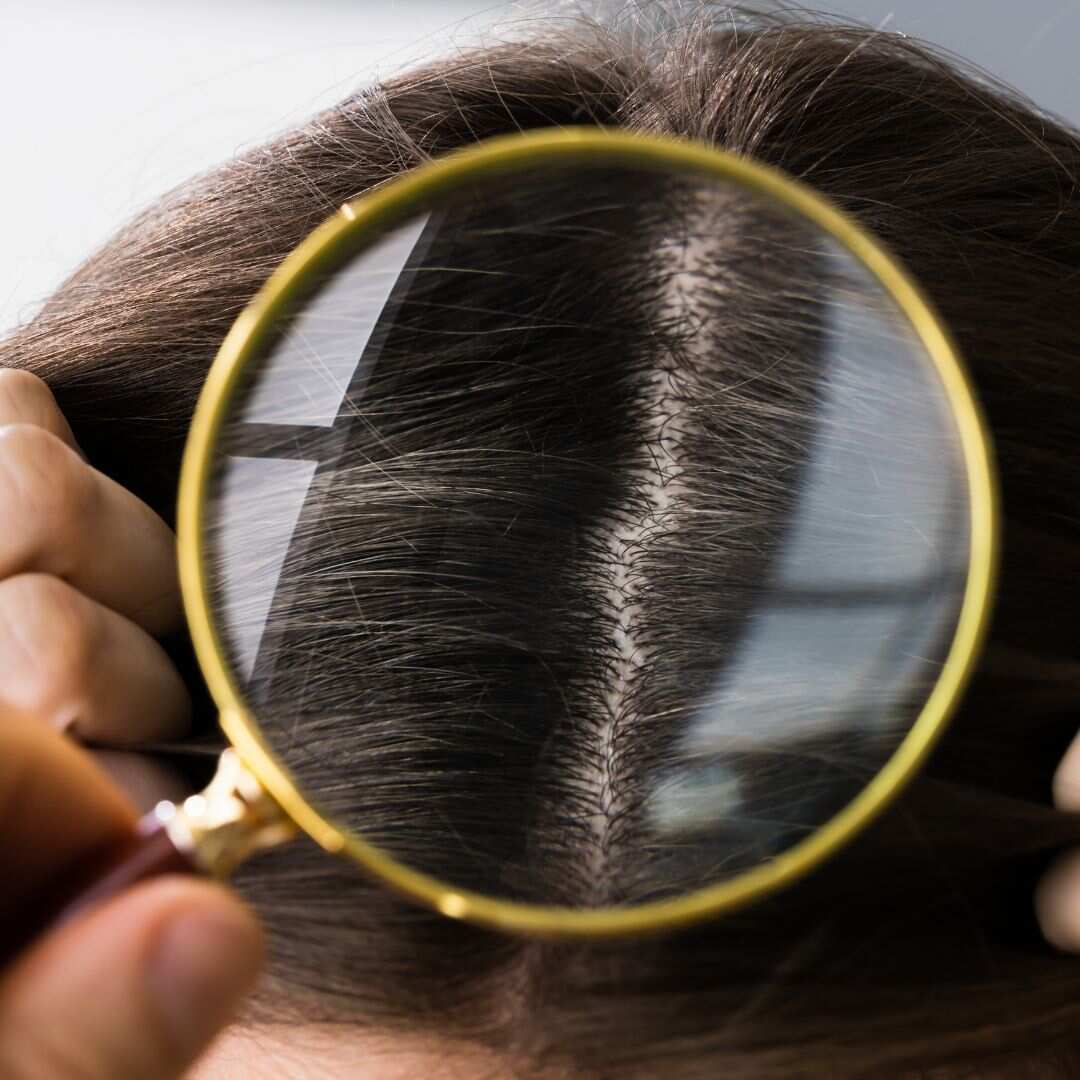





When hair fall increases, many people immediately turn to oils, supplements, or expensive hair products. These may not address nutritional factors that could be contributing to the problem. Hair growth is influenced by several factors, including genetics, hormones, stress, medical conditions, and nutrition.
Dt. Preeti Gupta, with over 23 years of clinical experience and 30,000+ clients, reviews your dietary pattern, lifestyle, health concerns, weight changes, and nutritional requirements before creating a personalised hairfall reduction diet plan in India. Where appropriate, nutritional concerns can also be discussed alongside relevant blood reports and medical advice.
Protein is an important part of the diet because hair is primarily made of a protein called keratin. A balanced plan can include dal, beans, paneer, curd, eggs, fish, chicken, tofu, nuts, seeds, and other suitable sources according to your food preferences.
The hairfall reduction diet plan may also include foods providing zinc, vitamin B12, vitamin D, omega-3 fats, and other nutrients. However, more supplements do not necessarily mean better hair growth. Excessive intake of certain nutrients can also be harmful.
For women experiencing hair fall alongside PCOS, thyroid concerns, irregular periods, anaemia, or other health issues, the diet may need to address multiple nutritional priorities at once. Persistent or sudden hair loss should also be evaluated by a dermatologist or doctor to identify possible medical causes.
As an experienced dietitian for hairfall reduction in India, Dt. Preeti Gupta focuses on practical Indian meals and sustainable dietary changes instead of relying on restrictive plans or unnecessary supplements. Both online and in-person consultations are available across India.
No specification available.